Raw Sewage Cleanup
Raw sewage cleanup of Category 3 black water, with disinfection and drying.
See raw sewage cleanupGet sewage, wet insulation, contaminated debris, moisture and odor removed from the crawl space beneath your home in Shelbyville. The source should be stopped before cleanup begins.
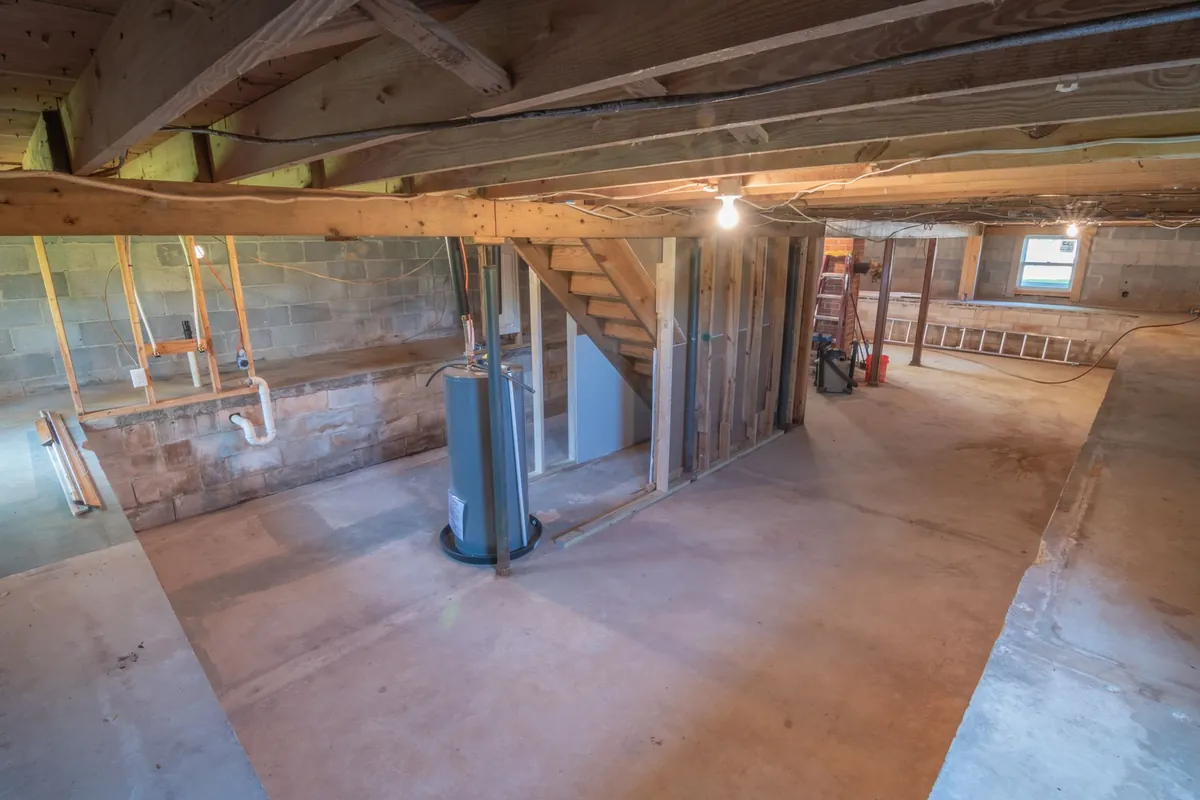
Removing Category 3 black water, sewage solids and contaminated items from beneath a house is crawl space sewage cleanup. Cleaning, disinfection, moisture management and odor treatment follow.
The work begins after the flow has stopped. A plumber may need to repair a broken drain, leaking sewer line or failed ejector pump. If a public sewer problem is suspected, your utility may need to inspect it. Cleanup technicians then find the edges of the affected area, check nearby supports and utilities, and plan safe access through the crawl space.
Sewage in a crawl space can contaminate exposed soil, vapor barriers, fiberglass insulation, framing wood, piping and duct exteriors. Crews extract pooled liquid and discard anything that cannot be completely cleaned. They wash the hard surfaces that remain and apply an EPA-registered disinfectant for its full labeled contact time. The space is then dried, and air quality is addressed before repairs begin.
Controls along the access route and work area keep tools, hoses and bagged materials from carrying sewage through your home.
Calls receive answers around the clock, while technicians come in unmarked vehicles to limit attention at your property.
You can use photographs, moisture documentation, work details and disposal records when speaking with insurance companies or property owners.
You get an explanation of every step, the materials being cleaned or taken out, the areas being dried and the factors behind pricing.
When wastewater enters the space below your home or soaks materials under the living area, professional cleanup is appropriate. Common examples include:
Liquid waste spreads into loose soil or gravel, where surface spraying alone cannot remove the contamination.
Fiberglass and other absorbent insulation trap contaminated moisture, making reliable cleaning in the crawl space unlikely.
A blocked main line or overloaded system pushes Category 3 water into the lowest area beneath the home. Stopping the source may need to be followed by professional cleanup services.
A cracked or separated drain line releases wastewater onto soil, plastic sheeting, insulation and nearby supports.
Your first priorities are protecting people and stopping more wastewater. Before the cleanup team arrives:
Call (888) 440-9227No crawl-space-specific range appears in published guides. Guidance for sewage backup and Category 3 cleanup is the closest comparison, with related work ranging from $1,500 to $10,000. It is not a crawl space quote. An assessment sets the actual price based on clearance for access, area affected, wet insulation, contaminated soil, required drying and repairs.
The figures shown are national ranges from published cost guides and are not based on an on-site visit. You learn what your property will cost after the on-site assessment and before any work begins.
Ask about cost: (888) 440-9227Coverage depends on the cause of the loss and the wording of your policy. A sewer or drain backup endorsement may apply, while maintenance problems, groundwater and flood events may be excluded.
Save pictures, plumbing findings, the cleanup scope, removed-material documentation and receipts to share with your insurance company.
Renter's insurance and building coverage apply to different types of property. Local requirements, lease language and the source of the problem can affect responsibility.
An excluded incident could leave the owner responsible for the cost. Ask for the cleanup scope, cost factors and payment terms, and whether separate restoration services will be needed after the area is dry.
Confirm whether drain backup coverage is part of your policy and whether the terms include damaged material, cleanup and your deductible amount.
Waste can spread to clean areas unless cleanup follows a controlled order. The details depend on the situation, but the usual remediation sequence includes these steps:
Technicians inspect from safe access points, identify the affected areas, note utilities and photograph conditions before work starts. Every situation requires a work scope reflecting the sewage path and extent.
The cleanup involves suitable protective gear, a shielded entry path and separation of the Category 3 work area.
Pooled wastewater and solid material are extracted using equipment suitable for contaminated water and hazardous materials.
Wet insulation, damaged vapor barrier, cardboard and other porous items that cannot be cleaned are bagged for proper waste disposal.
After addressing impacted soil and debris, technicians wash remaining residue from cleanable materials such as pipes and framing.
Keep cleanable surfaces wet with a disinfectant registered by the EPA for every minute of contact time required on its label.
Dehumidifiers and moving air lower moisture levels. Crews address smells once wastewater and contaminated materials have been taken out.
Technicians look again for debris, moisture you can see and lingering odor, then give you records to move forward with insurance and repair decisions.
Phone any hour. A crawl space sewage cleanup specialist answers, explains the steps and agrees a start time with you.
Raw sewage falls under Category 3 black water. Direct exposure to it brings the risk of harmful microorganisms and other contaminants, as does carrying sewage into occupied rooms.
The EPA states that mold growth on moisture-affected materials can start within 24 to 48 hours. Taking out the sewage is not a substitute for controlling moisture and drying.
Loose waste, cardboard, compromised vapor barriers and soaked insulation may retain sewage that is mixed with bodily fluids. Odor and polluted material can persist when they are not removed.
Without control of the workspace and route out, footwear, hoses and equipment may track sewage onto personal property, flooring and yards.
Can you clean it yourself? Stay out of a low crawl space instead of attempting your own sewage cleanup. Restricted access, hidden utilities, contaminated absorbent materials and Category 3 water require professional cleanup with suitable protective equipment. What is left behind after plumbing repairs is addressed by cleanup technicians.
A small, accessible spill may take one to two days of cleanup and drying. A larger sewage backup with wet insulation, soil work or difficult access can take several days, and plumbing or structural repairs add separate time.
| Scene | Typical time on site |
|---|---|
| Small accessible area with limited removal | Often one to two days |
| Broader contamination involving removal of insulation and barriers | Often two to four days |
| Heavy contamination, soil work or extended drying | Several days may be needed, based on moisture readings |
The first step in removing odor is taking away the sewage, remaining residue and absorbent materials it affected. Neither fragrance nor surface spraying can solve contamination left among debris, within soil, in wet insulation or behind damaged duct liner. Only after removing the source should deodorizing start.
Drying follows cleaning and uses managed airflow with dehumidification. HEPA air scrubbers may be used during the work to control particles in the air. Technicians examine nearby rooms, ducts and openings to find out whether odor is simply entering the living area. When an odor persists, another inspection for moisture and the source is needed. Stronger perfume is not the answer.
Category 3 black water includes raw sewage. Contain the affected area and keep polluted absorbent materials from going back into service.
Disinfecting begins after physical soil removal. The product must be used on an allowed surface and remain wet for its full label contact time.
Kentucky has no single medical waste agency. The Energy and Environment Cabinet's Division of Waste Management permits medical waste transfer stations, and most landfills accept this waste only after treatment, so it should not go in household trash.
OSHA's Bloodborne Pathogens Standard, 29 CFR 1910.1030, applies to jobs where workers may encounter blood or other covered body fluids.
The full crawl space sewage cleanup guide covers what is cleaned or removed, odor and air quality work, and the rules that apply in Kentucky and Shelby County.
Read the full crawl space sewage cleanup guide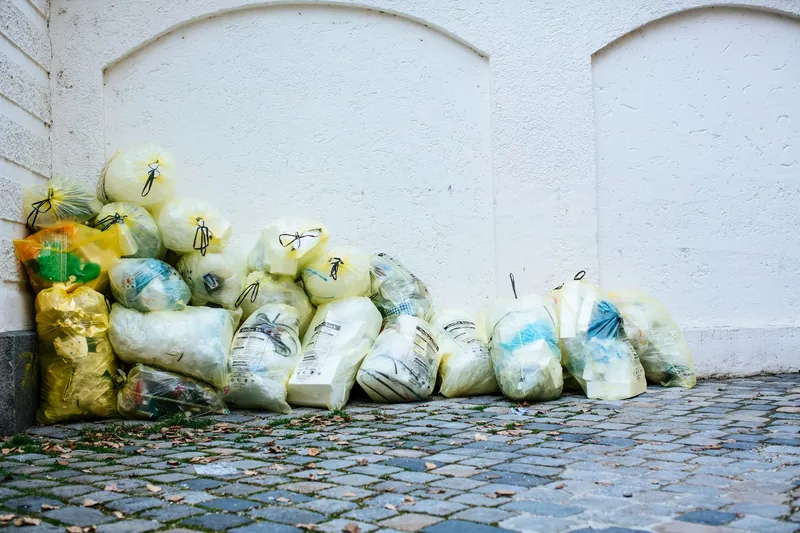
Local housing, population and access details can shape containment, access and cleanup planning.
A renter share of 43.9% means clear photos and item records can help different parties follow what cleanup required.
The median home in Shelbyville was built in 1995, but drywall, engineered flooring, and insulation can still absorb contamination.
Although the share is 27.7%, seniors living alone can still face delayed discovery after an illness, injury, or death.
In an area with 70.7% single-family housing, sewage or fluids may reach lower levels through stairs, drains, and utility openings.
Your phone conversation can include questions about service in nearby ZIP codes and communities.
Raw sewage cleanup of Category 3 black water, with disinfection and drying.
See raw sewage cleanup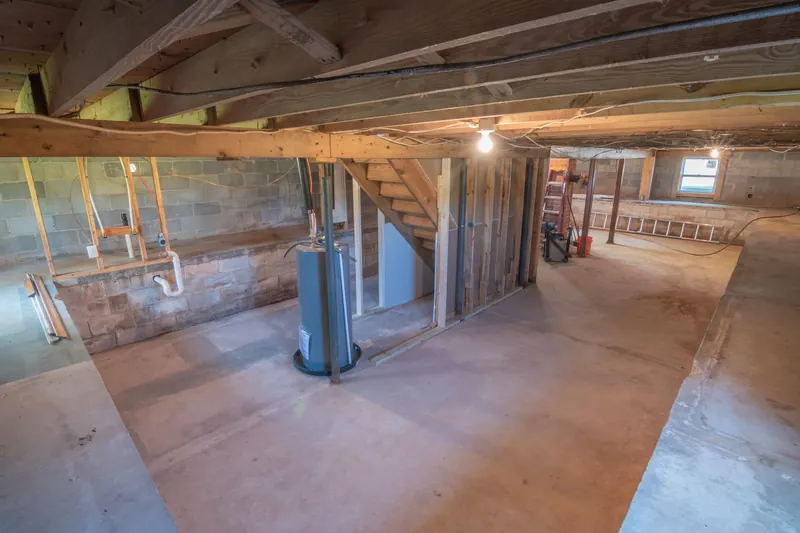
Cleanup after sewage backs up covers lower levels, basement areas and floor drains.
See sewer backup cleanup
Blood, body fluids and other infectious materials are removed, followed by property disinfection.
See biohazard cleanup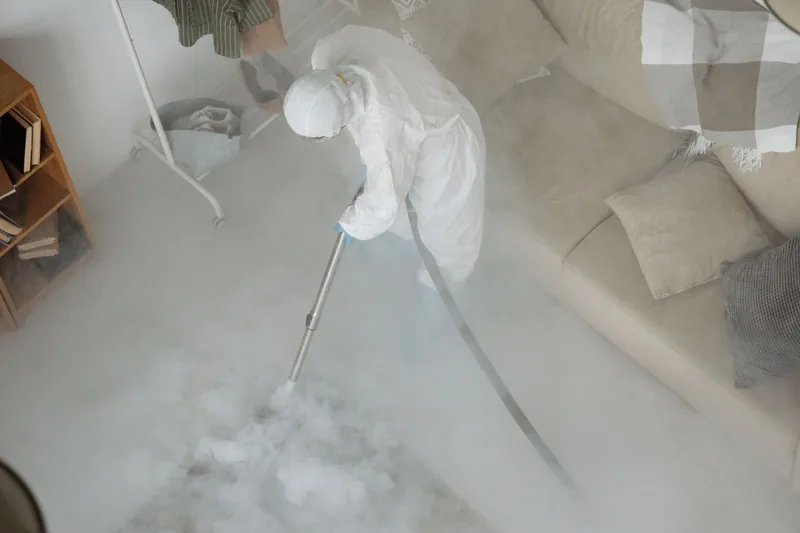
Rooms, surfaces and air receive complete decontamination following infectious or hazardous exposure.
See biohazard decontamination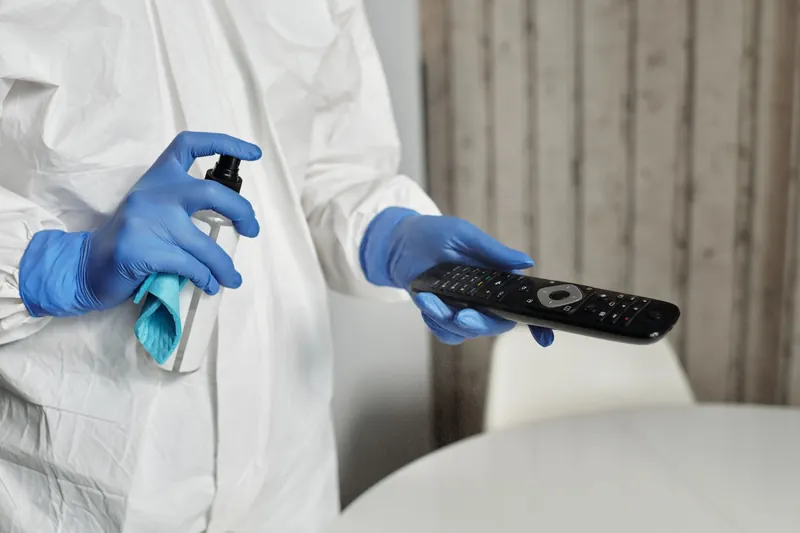
Biological remediation that removes contamination and returns a space to safe use.
See biohazard remediation
Hazmat cleanup uses the appropriate protective equipment for hazardous materials.
See hazmat cleanup
Pickup and disposal of biohazard waste use containers that are sealed and labeled.
See biohazard waste disposal
Biohazard carpet and upholstery cleaning, or safe removal when needed.
See biohazard carpet and upholstery cleaningPublished pricing guidance has no separate range for crawl spaces. Published sewage cleanup guides place related jobs between $1,500 and $10,000. Your total is shaped by disposal and drying requirements, soil contamination, soaked insulation, impacted square footage and access conditions. Since those related ranges serve only as comparisons, the actual job requires an on-site assessment.
Prevent entry by people or animals, stop unnecessary household water use and stay clear of standing liquid and nearby electrical equipment. A plumber can stop the source when your household piping or drain has failed. If sewage may come from the public system, call your utility. Next, have professional cleanup address sewage, contaminated materials, remaining moisture and odor.
Clearing a blockage or repairing the affected drain, sewer line, fixture or pump is how a plumber typically stops the source. Sewage cleanup is a different cleaning process from plumbing work. It covers sewage extraction, contaminated material removal, washing and disinfecting surfaces, drying, odor removal and waste disposal. Get a clear answer from each company about the parts it will perform.
Do-it-yourself sewage cleanup should not be attempted beneath your home. A crawl space can have unseen electrical wiring, sharp debris and little airflow, while Category 3 water may contain harmful microorganisms. Professional cleanup contains access, uses protective equipment and prevents affected material from moving into areas where you live.
Persistent smells may point to remaining affected soil, insulation, waste or duct materials, or to moisture that has not dried. The source must be removed before odor treatment can work. The area should be checked again for hidden waste, moisture, air leaks and pathways that carry crawl space air indoors.
Ask whether the cleaning service enters tight crawl spaces, takes out soaked insulation and deals with sewage-affected soil. The scope should state whether crews extract sewage, clean surfaces, apply an EPA-registered disinfectant, dry the space and document disposal. When calling, share the available access, affected area, status of the source repair and any indoor sewage odor.
Respectful, discreet crawl space sewage cleanup is available 24 hours a day, and crews arrive in unmarked vehicles.