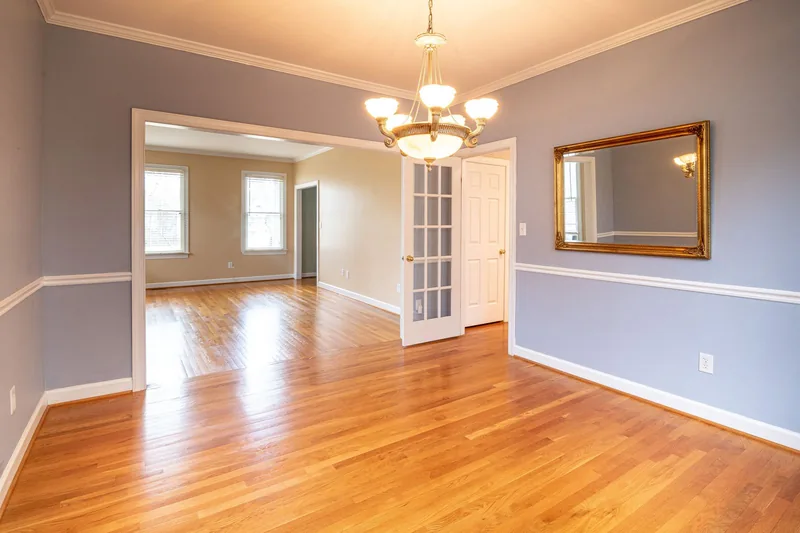
Biohazard Cleanup for Homes and Apartments
Death, crime, hoarding, blood and sewage cleanup in houses, condos, apartments and high-rise units.
Learn moreBiohazard cleanup in Shelbyville covers crime scenes, unattended deaths, hoarding, blood and sewage, with crews in unmarked vehicles.
Planning for access, containment and cleanup can depend on local population, housing and entry conditions.
A renter share of 43.9% means clear photos and item records can help different parties follow what cleanup required.
The median home in Shelbyville was built in 1995, but drywall, engineered flooring, and insulation can still absorb contamination.
Although the share is 27.7%, seniors living alone can still face delayed discovery after an illness, injury, or death.
In an area with 70.7% single-family housing, sewage or fluids may reach lower levels through stairs, drains, and utility openings.
Biohazard cleanup safely removes and disinfects blood, tissue, bodily fluids and hazardous materials, then disposes of them following crime, death, accidents, hoarding or a sewage backup.
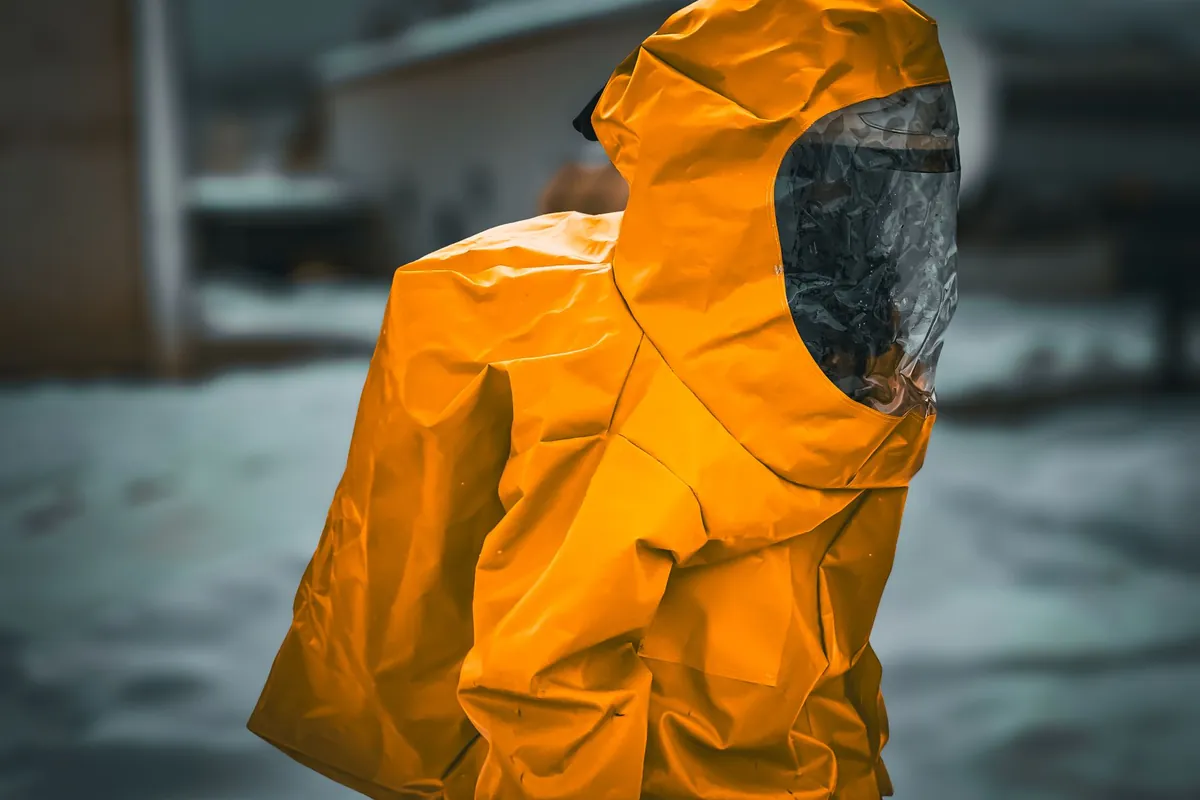
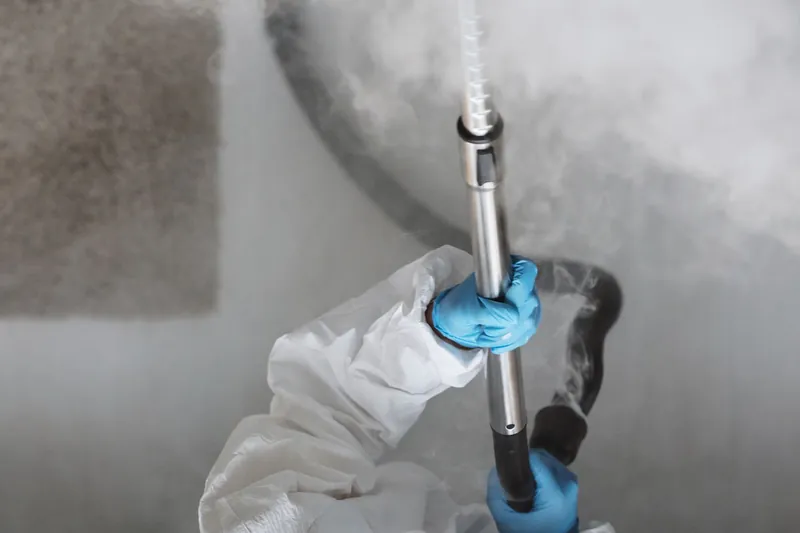
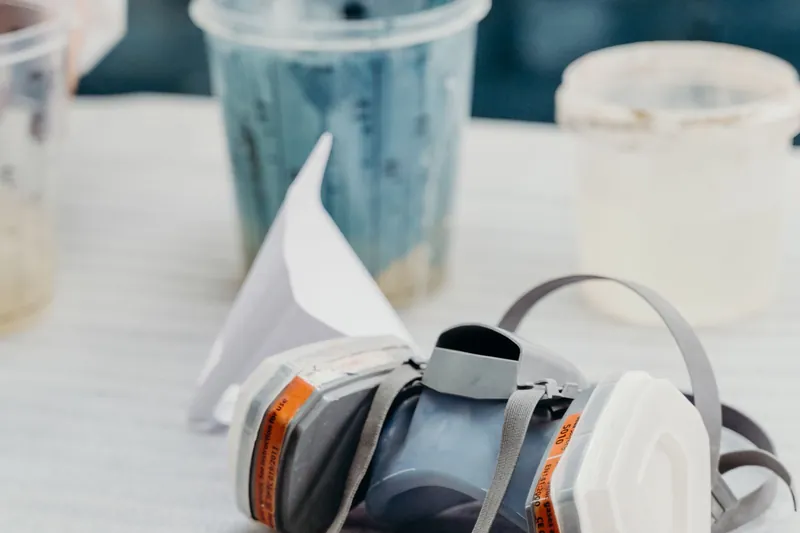
You may also hear it called trauma cleanup, bio cleanup, biohazard remediation or bio hazard cleaning. Professional biohazard cleanup is more involved than deep cleaning. Technicians use personal protective equipment, locate every contaminated place, remove porous material that disinfection cannot save and treat affected areas until each reaches a livable condition.
After traumatic events in Shelbyville, crime scene cleaning and other specialized cleaning can begin as soon as the property is released. Biohazard removal services across the surrounding areas include scene cleaning, hazardous waste disposal and fentanyl cleanup, with emergency response at any hour. Crime scene cleaners aim to restore safety while giving families respectful, compassionate service.
Biohazards are genuine health hazards that can cause serious illness, while visible contamination is seldom the full extent of the problem.
Fluids, gases and bacteria from decomposition can penetrate flooring and move into other rooms through ventilation.
Bleach and sprays clean the surface but leave fluids in carpet pad, subfloor and drywall. Odor and bacteria recur when material is left behind, which makes its removal part of decontamination services.
Raw sewage carries hepatitis A, E. coli and salmonella, while wet materials can grow mold within 24 to 48 hours.
HIV, hepatitis B and hepatitis C can live in blood. The CDC reports that hepatitis B can remain on surfaces for at least seven days.
Death, crime, hoarding, blood and sewage cleanup in houses, condos, apartments and high-rise units.
Learn more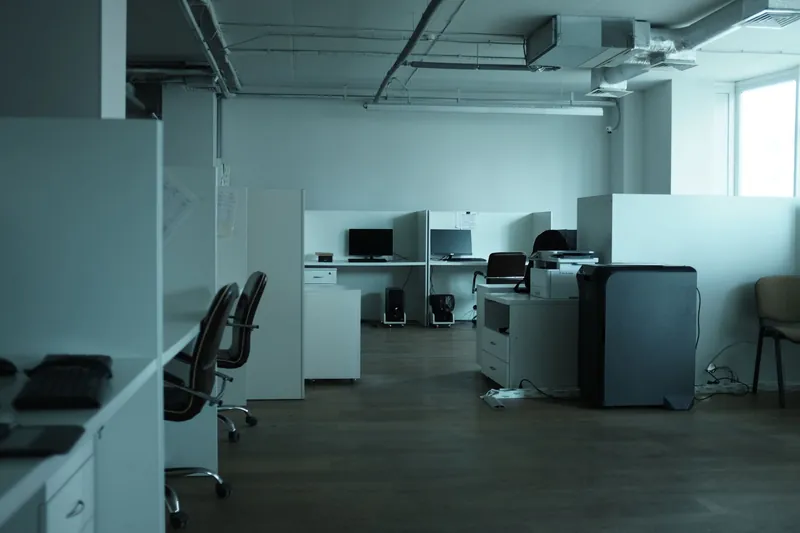
Following break-ins, exposures, injuries or industrial accidents at commercial properties, you can arrange commercial biohazard cleanup around operating hours.
Learn more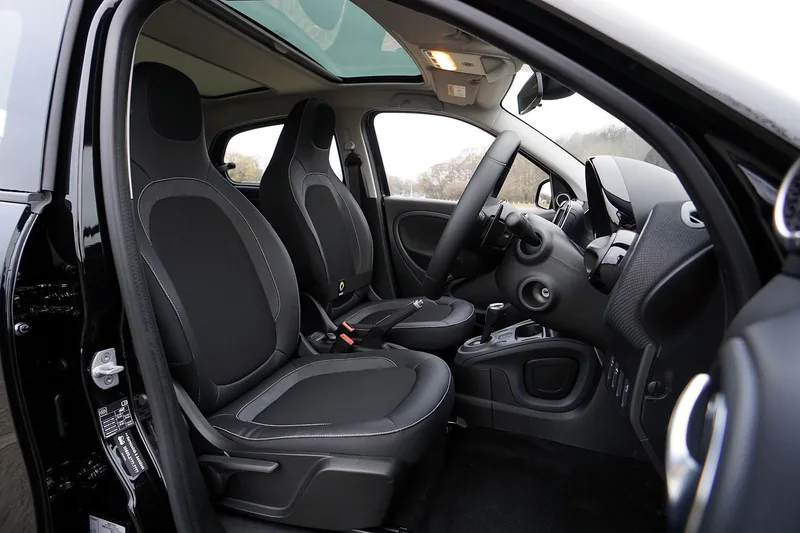
Vehicle biohazard cleanup removes blood, bodily fluids and odors from carpet, vents and seating.
Learn more
Cleanup gets a unit ready for rental use and includes records for the owner and insurer.
Learn moreFind the cleanup page suited to your circumstances. If the right service is unclear, you can call for guidance.
Few people encounter this more than once. Taking these initial actions safeguards your health, insurance claim and final cleanup cost.
Call (888) 440-9227The biohazard cleanup process uses a safe, set sequence for every job, from your first phone conversation to the closing inspection.
Describe what occurred. You and the technicians agree on the scope after they inspect the scene and take photos.
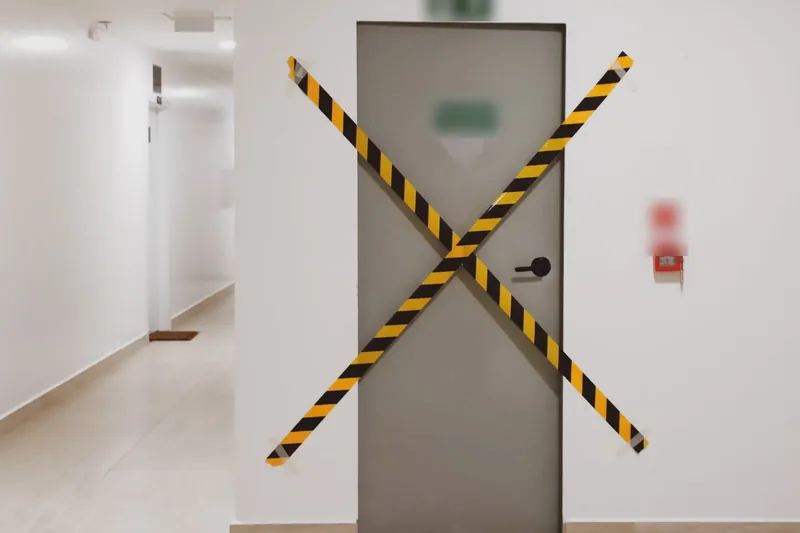
To prevent contamination from moving elsewhere, the affected area is closed off using plastic sheeting.
When infectious materials enter porous items such as drywall, carpet or pad, those items are cut away and contained as medical waste, with nothing left behind.
Hospital-grade disinfectant registered by the EPA is applied after all surfaces are cleaned.
Treatment reaches the source of odors with hydroxyl, air scrubbers or ozone, followed by a check of the vents.
Sealed waste goes to a permitted medical waste treatment facility, with tracking paperwork.
The space is inspected and, where appropriate, ATP tested to confirm a livable condition, and documentation and photos are prepared for your claim.
Removed flooring or drywall can be rebuilt by your contractor or your insurer's vendor.
For most home jobs, published guides place residential biohazard cleanup between $1,800 and $8,000. Minor blood jobs can cost less than $1,000, while large work involving sewage, hoarding or decomposition may go beyond $20,000. An on-site assessment determines the actual price.
Frequently, yes. Many renters and homeowners policies cover biohazard cleanup after a sudden crime, death or sewage backup, with the deductible remaining your responsibility.
Death cleanup costs can often be covered by the estate. A family member or the estate executor normally manages this task.
Coverage usually applies to sudden, accidental events. Insurance commonly excludes neglect over time and hoarding. Contact your insurer ahead of any cleanup.
Victims of violent crime can ask the Kentucky Crime Victims Compensation Board about cleanup. State law lists crime scene cleanup at the victim's home or business, with a short time limit, so ask early. Insurance is usually checked first.
The property manager or owner commonly coordinates and funds cleanup for a rented unit or common area.
You can call anytime. A cleanup specialist can explain the next steps for your property.
Published pricing guides put most residential cleanup work between $1,800 and $8,000. Minor blood cleanup may cost below $1,000, but major decomposition or hoarding work can exceed $20,000.
One to three days is a common window for sewage-related symptoms to appear, but some infections need more time. Avoid contact and keep children and pets away.
Many renters and homeowners policies pay for biohazard cleanup after a sudden incident, less the deductible. Coverage commonly excludes hoarding and neglect over time.
Biohazard cleanup can be discreet. Unmarked vehicles and quiet work help crews keep the situation confidential from neighbors and building personnel.
Body removal is performed by the medical examiner or funeral home. Cleaning the scene afterward is the property owner's or family's job, and most hire a biohazard cleanup company.
You can reach someone by phone 24 hours a day, including during weekends and holidays.